
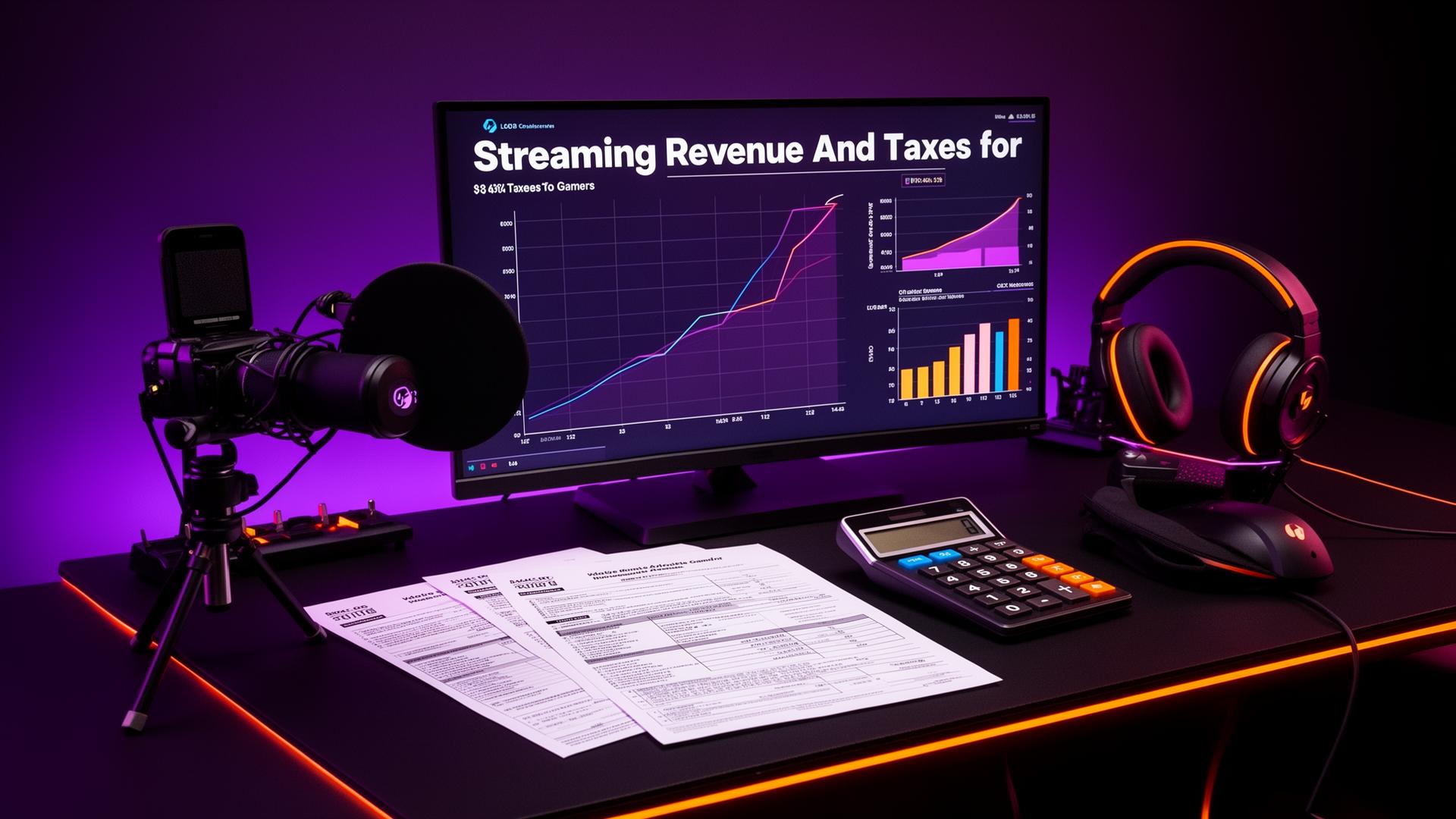
Streaming Revenue and Tax Implications for Gamers
By Andrew R. Jacobs, Esq. | Founder & Managing Attorney, Jacobs Counsel LLC | Director, Sports, Entertainment & Gaming Initiatives, Seton Hall University School of Law | Super Lawyers Rising Star 2026
📌 Disclaimer
This article is for informational purposes only and does not constitute legal advice. Legal requirements vary by jurisdiction, game mechanics, and business structure. Consult qualified legal counsel before making compliance or business decisions.
Key Takeaways
- Streaming income is self-employment income:quarterly estimated taxes apply
- Donations, subs, and bits are all taxable (not gifts)
- Deductions available: equipment, games, internet, streaming software
- State nexus:you may owe taxes in states where you have significant viewers
✅ Streamer Tax Deduction Checklist
- Gaming PC/console and peripherals
- Streaming software subscriptions
- Internet (business portion)
- Games purchased for stream content
- Microphone, camera, lighting
- Home office deduction (if dedicated space)
Streaming Income is Taxable
All income from streaming is taxable, including: Subscriptions and donations from viewers. Ad revenue from Twitch, YouTube, or other platforms. Sponsorship and brand deal payments. Affiliate commissions from links and codes. Tournament prize money. Donations through PayPal, Venmo, or crypto. Even if it's a side hustle, even if you're not profitable, you must report all income to the IRS.
You're Likely Self-Employed
Most streamers are self-employed, which means: You pay both employee and employer portions of Social Security and Medicare taxes (15.3% self-employment tax). You're responsible for making quarterly estimated tax payments. You must track income and expenses yourself. Platforms may or may not issue 1099 forms, but you're still required to report all income. Self-employment taxes surprise many new streamers who assume they only pay income tax.
Quarterly Estimated Tax Payments
The IRS requires self-employed individuals to make quarterly estimated tax payments if they expect to owe $1,000 or more in taxes. Deadlines are typically April 15, June 15, September 15, and January 15. Failing to make estimated payments results in penalties and interest. Calculate estimated taxes based on your expected annual income and pay 25% each quarter. If your income varies significantly, you can adjust payments accordingly.
Deductible Business Expenses
As a self-employed streamer, you can deduct ordinary and necessary business expenses, including: Equipment: Gaming PC, monitors, webcam, microphone, lighting, and peripherals. Software and subscriptions: Streaming software, editing tools, music licensing, and games. Internet and phone: Portion used for streaming. Home office: If you have dedicated streaming space, you can deduct a portion of rent/mortgage, utilities, and maintenance. Travel: Costs for attending conventions, tournaments, or brand events. Professional services: Legal, accounting, and consulting fees. Marketing and promotion: Website, graphics, advertising costs. These deductions reduce your taxable income and save you money.
Home Office Deduction
If you stream from home and have a dedicated space used exclusively for streaming, you may qualify for the home office deduction. You can deduct: A portion of rent or mortgage interest. Property taxes. Utilities (electricity, internet, water). Homeowners insurance. Repairs and maintenance. The space must be used regularly and exclusively for business. A corner of your bedroom where you also sleep doesn't qualify.
Documenting Income and Expenses
Keep meticulous records: Save all income statements and 1099 forms from platforms and sponsors. Track every business expense with receipts and invoices. Use accounting software or spreadsheets to organize transactions. Separate business and personal expenses (ideally with separate bank accounts). Maintain records for at least 3 years (IRS audit window). Good recordkeeping makes tax filing easier and protects you in an audit.
📥 Free Download: Gaming Compliance 101
Navigate regulations without getting shut down. Multi-state licensing and compliance essentials.
Download Free GuideBusiness Structure Considerations
Most streamers start as sole proprietors, but as income grows, forming an LLC or S-Corp can offer benefits: Liability protection separating personal and business assets. Potential tax savings through S-Corp election (reducing self-employment taxes). Enhanced credibility with sponsors and partners. Consult with a CPA and attorney to determine the best structure for your situation.
State and Local Taxes
Don't forget state and local taxes: Most states tax self-employment income. Some cities and counties have additional taxes. If you have viewers or sponsors in other states, you might have nexus and tax obligations there. Understand your state and local tax obligations and factor them into estimated payments.
Cryptocurrency and Donations
Many streamers receive donations in cryptocurrency. Crypto is taxable: Receiving crypto as payment is income at fair market value when received. Selling or trading crypto is a taxable event (capital gains or losses). You must track cost basis and report all transactions. Keep detailed records of all crypto income and transactions.
International Considerations
If you have international viewers, sponsors, or income sources: Some countries withhold taxes on payments to US streamers. Tax treaties may reduce or eliminate withholding. You may owe US taxes on foreign income and can claim foreign tax credits. Consult a CPA experienced in international taxation if you have significant foreign income.
Common Tax Mistakes Streamers Make
Not reporting all income (assuming cash or crypto donations aren't taxable). Failing to make quarterly estimated tax payments. Not tracking deductible expenses. Mixing personal and business finances. Waiting until tax season to organize records. Claiming non-deductible personal expenses as business deductions. Avoid these mistakes to stay compliant and minimize tax liability.
Working with a Tax Professional
As your streaming income grows, working with a CPA who understands content creation and self-employment is invaluable. They can: Maximize deductions and minimize taxes. Advise on business structure. Handle quarterly estimated payments. Prepare accurate tax returns. Represent you in case of IRS audit. The cost of professional tax help is far less than the cost of mistakes or missed deductions.
Planning for Long-Term Success
Streaming income can be volatile. Plan for sustainability: Set aside 25-30% of income for taxes. Build an emergency fund for slow months. Invest in retirement accounts (Solo 401k, SEP IRA). Track metrics and trends to forecast income. Diversify income sources beyond streaming. Treat streaming as a business, not just a hobby. Smart tax planning protects your income and supports long-term growth.
Schedule a consultation and we'll connect you with tax professionals who understand streaming income and can optimize your tax strategy.
📊 Streaming Income Tax Breakdown
| Income Type | Tax Treatment | Deductible Expenses |
|---|---|---|
| Subscriptions | Self-employment income | Equipment, software, internet |
| Donations/Tips | Taxable income | Payment processor fees |
| Sponsorships | 1099-NEC income | Content creation costs |
| Ad Revenue | 1099-MISC income | Proportional streaming costs |
| Affiliate Sales | Commission income | Marketing expenses |
✅ Streamer Tax Prep Checklist
- ☐ Track all income sources separately
- ☐ Document home office square footage
- ☐ Keep receipts for equipment purchases
- ☐ Calculate internet/utility business use %
- ☐ Set aside 25-30% for quarterly estimates
- ☐ File Schedule SE for self-employment tax
Legal Disclaimer: This article is for informational purposes only and does not constitute legal advice or create an attorney-client relationship. Laws vary by jurisdiction and change frequently. Nothing in this post should be relied upon as a definitive legal conclusion for any specific situation. Consult a qualified attorney before taking action based on any information here.

About the Author
Andrew R. Jacobs, Esq.Founder & Managing Attorney at Jacobs Counsel LLC. Director of Sports, Entertainment & Gaming Initiatives at Seton Hall Law. Super Lawyers Rising Star 2026. Licensed in NY, NJ & OH.
Read full bio →Related on Skill-Based Gaming & Multi-State Compliance
Cornerstone guides and services
50-State Skill-Based Gaming Legal Opinion
Comprehensive multi-state regulatory survey for skill-based gaming operators.
Read: 50-State Skill-Based Gaming Legal OpinionGaming Law Services
Licensing, compliance, and regulatory strategy for gaming operators.
Read: Gaming Law ServicesCounsel for Gaming Operators
Embedded legal strategy for gaming companies scaling into new states.
Read: Counsel for Gaming OperatorsFound this helpful?
Gaming Compliance 101
Navigate regulations without getting shut down. Multi-state licensing and compliance essentials.
Related Articles
Gaming Compliance Checklist: Essential Steps for Operators (2026)
Launching an online gaming platform is an exhilarating venture, but success h…
GamingTournament Prize Money: Legal and Tax Considerations
Winning a gaming tournament can be life-changing—until you realize how much o…
GamingThe Legal Side of Esports: Contracts, Sponsorships, and Player Rights
The esports industry has exploded from a niche hobby into a global entertainm…
Keep Learning
More insights on Gaming legal strategies
Gaming Compliance 101
Navigate regulations without getting shut down. Multi-state licensing and compliance essentials.
Skill-Based Gaming: U.S. Legal Guide
The skill-based gaming industry in the United States operates in a complex and fragmented legal landscape.
Skill-Based Gaming: Legal & Compliance Guide
Skill-based gaming platforms, from mobile apps to large-scale esports tournaments, are attracting millions of players and generating substantial revenue.
Enjoyed this article?
Get weekly legal insights delivered straight to your inbox. We keep it brief and useful.
Need Legal Support?
We help high-performing creators, athletes, and founders protect their brands and build sustainable businesses.